Incremental Model of Software Development Life Cycle

The incremental model of software development is a methodology that involves building the system in small, manageable parts or increments. Each increment represents a portion of the system’s functionality, and after each phase, a working version of the system is delivered. This model reduces upfront costs by focusing on critical functionalities first and offers flexibility to adapt as requirements evolve throughout the project.
This approach accelerates system creation by implementing parts of the software incrementally, allowing teams to deliver valuable features earlier and adjust based on feedback. It’s especially valuable in industries with rapidly changing requirements and market conditions. For example, in FinTech app development, a company developing a mobile banking app can first launch essential features like account creation and balance tracking, followed by transaction history, bill payments, and investment tools. This ensures that users can access core functionalities early while additional features are gradually refined and integrated.

Key Characteristics of the Incremental Model
Phased Delivery
The incremental model focuses on delivering functional parts of the system step-by-step. Each increment adds new features or enhances existing ones, allowing customers to see tangible results early in the development process. For instance, an e-commerce platform might first develop the product catalog and checkout system before adding user accounts, wish lists, and advanced search filters.
Early Feedback Loops
One of the biggest advantages of this model is the ability to gather customer feedback during development. This allows for constant adjustments and improvements to better meet the needs of the end-users. A healthcare software provider, for example, might first release a basic appointment scheduling feature, then expand to include automated reminders and virtual consultation options based on user feedback.
Adaptation to Changes
The incremental approach accommodates changing requirements during the development cycle. If new needs arise, they can be incorporated into later increments, reducing the risk of project failure due to shifting requirements. This is particularly useful in the gaming industry, where developers can release a core game and later add expansions, multiplayer options, or new levels based on player input.
Minimizing Initial Investment
By focusing on the most important features first, the incremental model allows for early delivery of a functional product without needing to invest heavily in the entire system upfront. For instance, a SaaS company might first launch an MVP (minimum viable product) with key automation features before investing in advanced analytics and AI-powered tools.
The Phases of the Incremental Model
Initial Planning and Requirements Analysis
At the beginning of the project, a comprehensive analysis is performed to identify system requirements and prioritize them. This phase lays the groundwork for the entire project, identifying the most important functionalities to be developed in early increments. For example, a logistics company building a fleet management system may prioritize vehicle tracking and route optimization before adding predictive maintenance and fuel consumption analytics.
System Design
A general design for the system is created, ensuring all planned increments fit together to form a cohesive product. The design may evolve as more requirements are clarified. In the case of a ride-sharing app, the initial design might include driver and passenger matching, with later iterations incorporating dynamic pricing, ride history, and in-app chat.
Incremental Development
The system is developed in small, manageable increments. Each increment builds on the previous one and includes coding, testing, and integration of new functionalities. A digital payment provider, for example, may first release a secure payment gateway, then expand to include recurring payments and fraud detection mechanisms.
Testing and Validation
After each increment, the new features are tested, validated, and refined. This ensures that any issues are caught early, reducing the risk of errors as the system develops. For instance, in the automotive industry, software updates for self-driving systems undergo extensive real-world testing before new features are rolled out to users.
Deployment and Delivery
At the end of each increment, the product is delivered to the client, providing them with a fully functional piece of the system. This iterative process allows the customer to review progress and provide valuable input. An enterprise HR platform might first launch employee records management, followed by performance tracking and benefits administration modules.
Benefits of the Incremental Model
- Early Product Delivery: Instead of waiting for the entire system to be completed, the incremental model allows you to deliver usable parts of the system early, providing immediate value to customers.
- Reduced Costs: By breaking down the system into smaller increments, you can prioritize high-risk areas first, reducing the initial investment needed and spreading costs more evenly across the project lifecycle.
- Improved Customer Satisfaction: Since the customer sees tangible results early on, they can provide feedback that influences the direction of future increments. This increases satisfaction as the final product aligns more closely with their needs.
- Flexibility and Adaptability: The model allows you to easily adapt to changes in customer requirements. If new functionalities are required, they can be added in later increments, reducing the risk of major changes or rework.
- Minimized Risk: By delivering parts of the system regularly, you can manage risks more effectively. Smaller iterations mean smaller risks, and progress can be easily monitored.
Challenges and Considerations
While the incremental model offers numerous advantages, it also comes with certain challenges:
- Complexity in Managing Requirements: While the model accommodates changing requirements, it’s important to manage these changes carefully. Frequent changes can lead to scope creep and make it difficult to complete each increment within the planned timeline.
- Integration Issues: Since each increment is developed independently, there may be integration challenges as different parts of the system come together. Effective communication and planning are essential to minimize integration risks.
- Requires Good Planning and Communication: The success of the incremental model relies heavily on clear communication between the development team and stakeholders. Proper planning is essential to ensure that each increment is focused on the right functionality and delivered on time.
- Dependency on Client Involvement: The model requires ongoing client involvement to provide feedback on each increment. Without regular feedback, the development process may stray off course, or essential features may be missed.
Conclusion
The incremental model of software development continues to be a powerful approach for managing complex projects and delivering value early. Its ability to incorporate customer feedback, adapt to changing requirements, and reduce risks makes it an ideal choice for many software development projects. By breaking down development into smaller, more manageable increments, organizations can deliver high-quality software products that meet user needs, with fewer resources and reduced time-to-market. For industries like fintech app development services, this model ensures rapid deployment of critical features while maintaining room for future enhancements.
Frequently Asked Questions
How does the incremental model compare to the waterfall model?
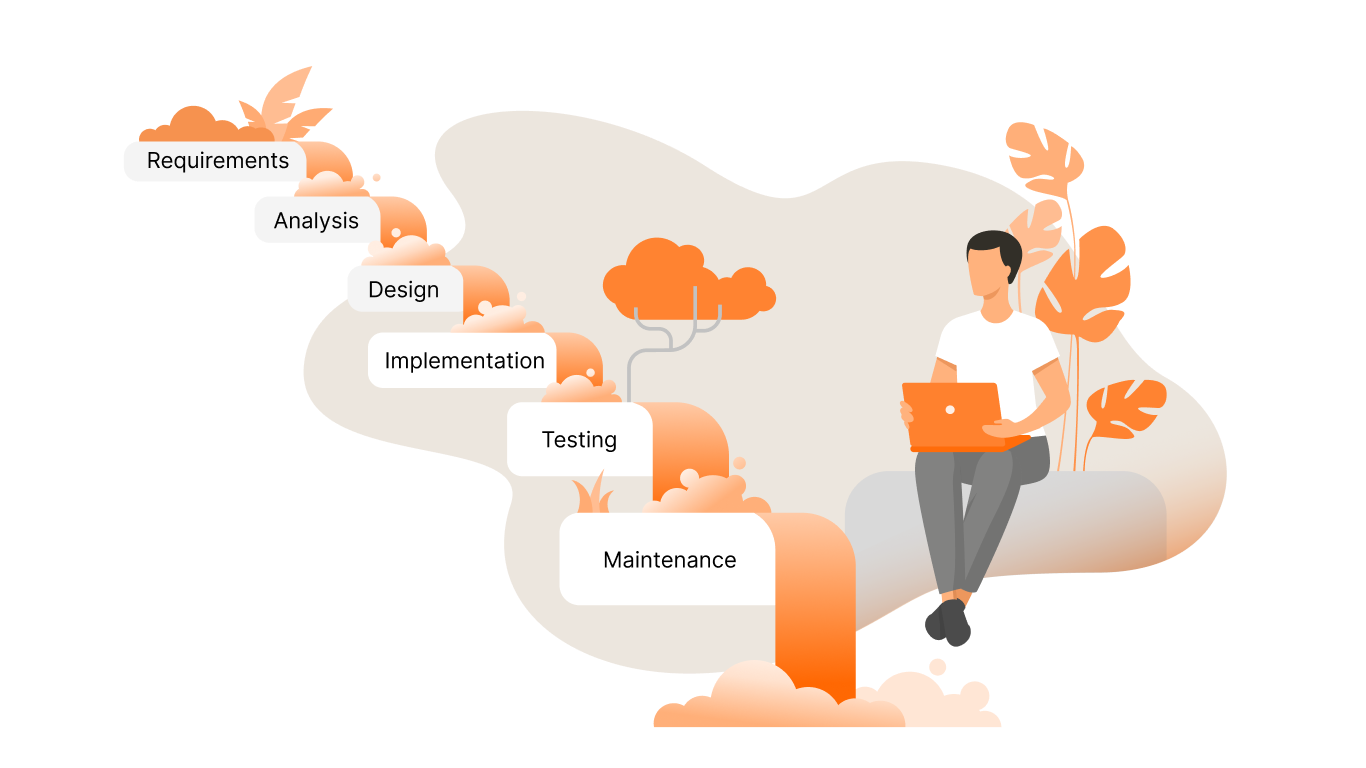
Unlike the waterfall model, which follows a linear development process, the incremental model allows for iterative development. This means features are developed and tested in small increments, reducing risk and allowing for continuous improvements.
Can the incremental model be used for large-scale enterprise projects?
Yes, the incremental model is highly suitable for large-scale projects, especially when requirements are subject to change. Many enterprise solutions, such as ERP systems, are built incrementally to allow for flexibility and phased rollouts.
How does the incremental model support continuous integration and delivery?
By incorporating continuous integration (CI) and continuous delivery (CD) practices, each increment can be tested and deployed automatically. This accelerates software releases and ensures higher quality standards.
What industries benefit most from the incremental model?
Industries such as FinTech, e-commerce, healthcare, gaming, and SaaS platforms benefit greatly from the incremental model due to their need for rapid adaptation, user feedback integration, and phased feature releases.
How is incremental development implemented within Agile frameworks?
In modern software development, incremental development is often implemented within Agile frameworks like Scrum or Kanban.